

Know what AI is running.
Control what it can do.
Openlayer helps security and compliance teams maintain a current inventory of AI systems, enforce policy in production, and keep evidence connected to the requirements they manage.
See continuous governance in action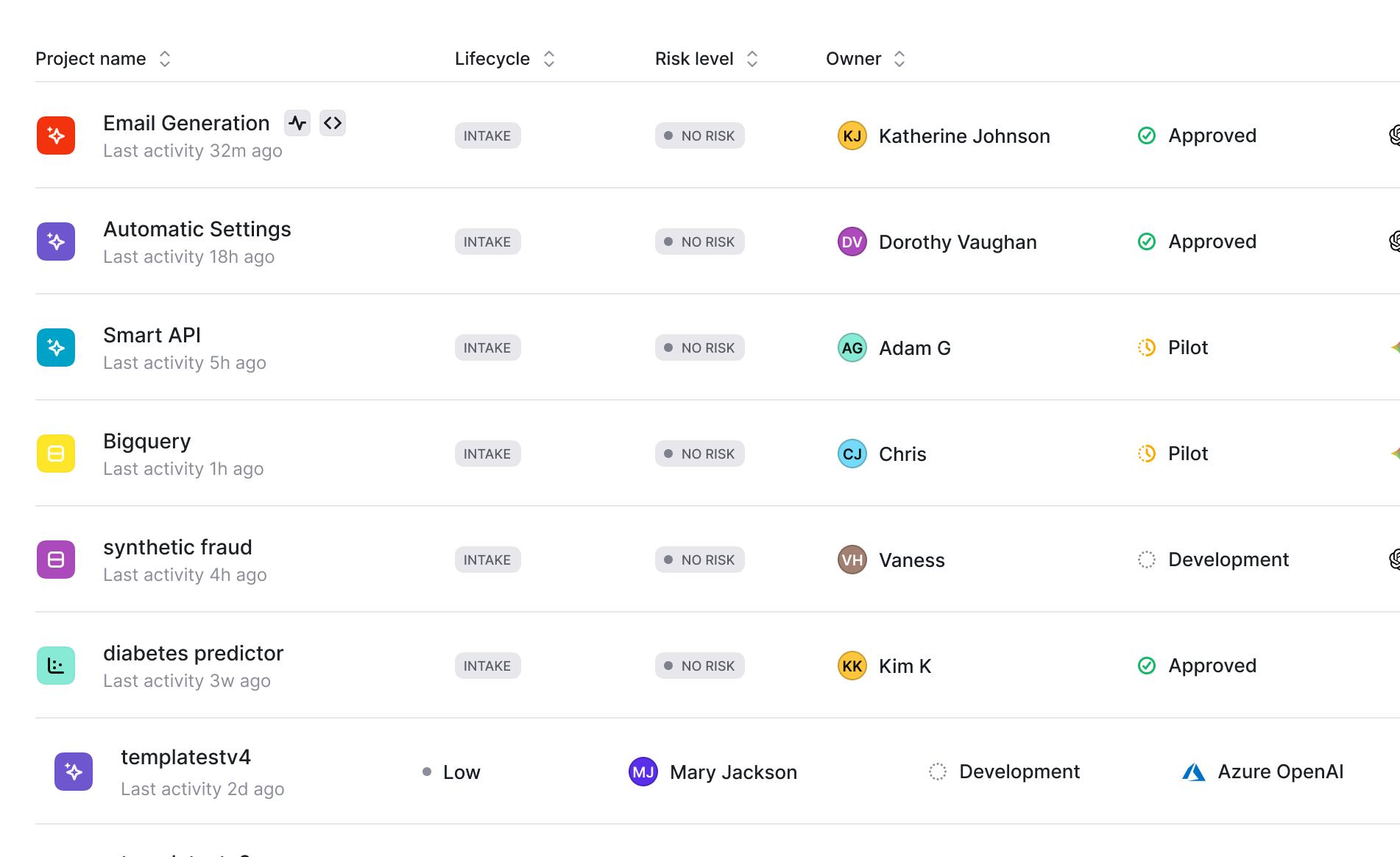


Up to 7%
of worldwide annual turnover in fines for prohibited AI practices under the EU AI Act
Source: European Commission’s AI Act guidance
63%
of organizations studied lacked policies to govern AI and shadow AI
Source: IBM’s 2025 Cost of a Data Breach Report
97%
of organizations with an AI-related breach lacked proper AI access controls
Source: IBM’s 2025 Cost of a Data Breach Report
Mapped to the requirements you manage.
Connect controls and evidence across leading regulations, standards, and risk frameworks without duplicating work for overlapping requirements.
Continuous oversight from
inventory to evidence.


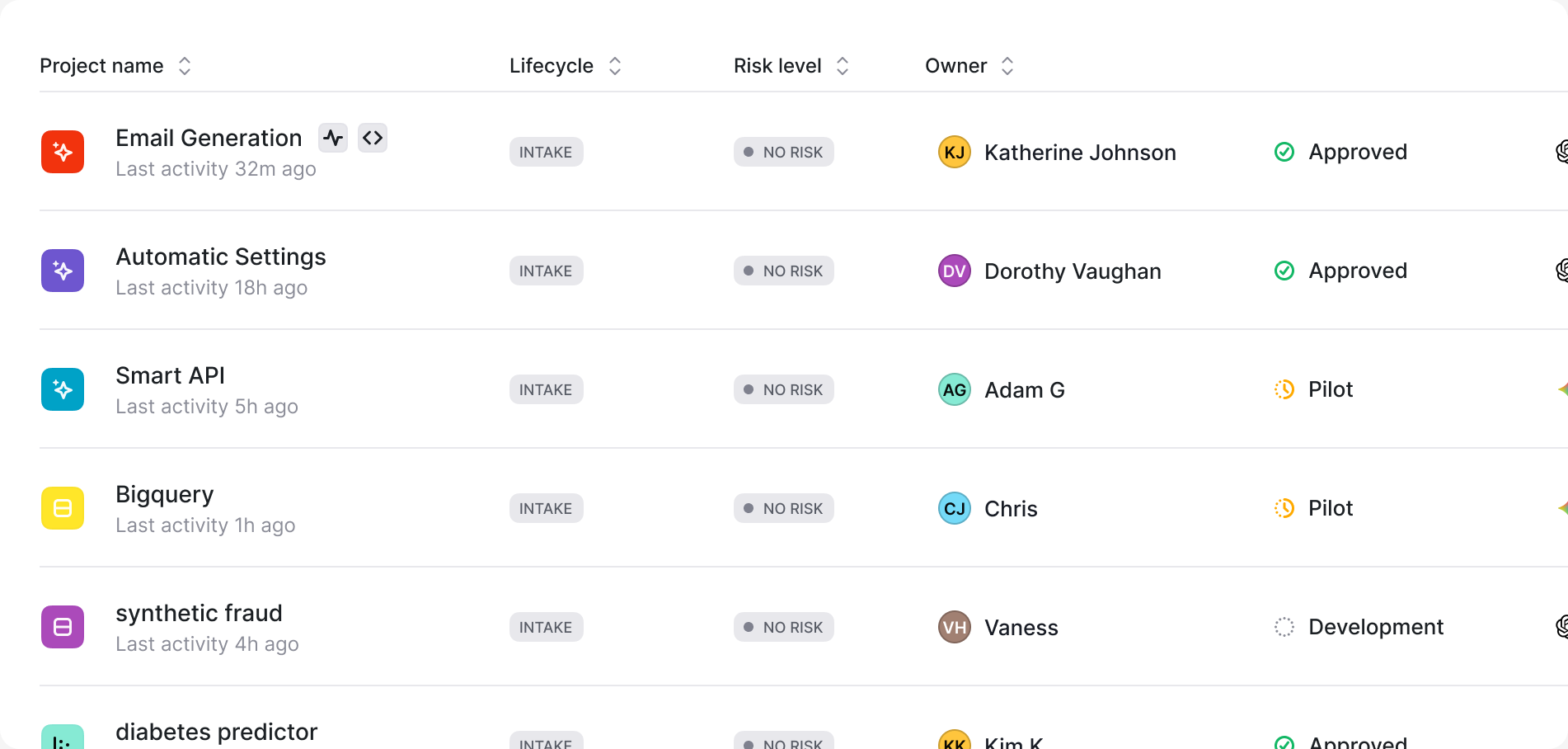
Maintain a currentAI inventory
Record each system’s owner, purpose, model, data, risk classification, and approval status. Connect development and production activity so the inventory stays current as systems change.

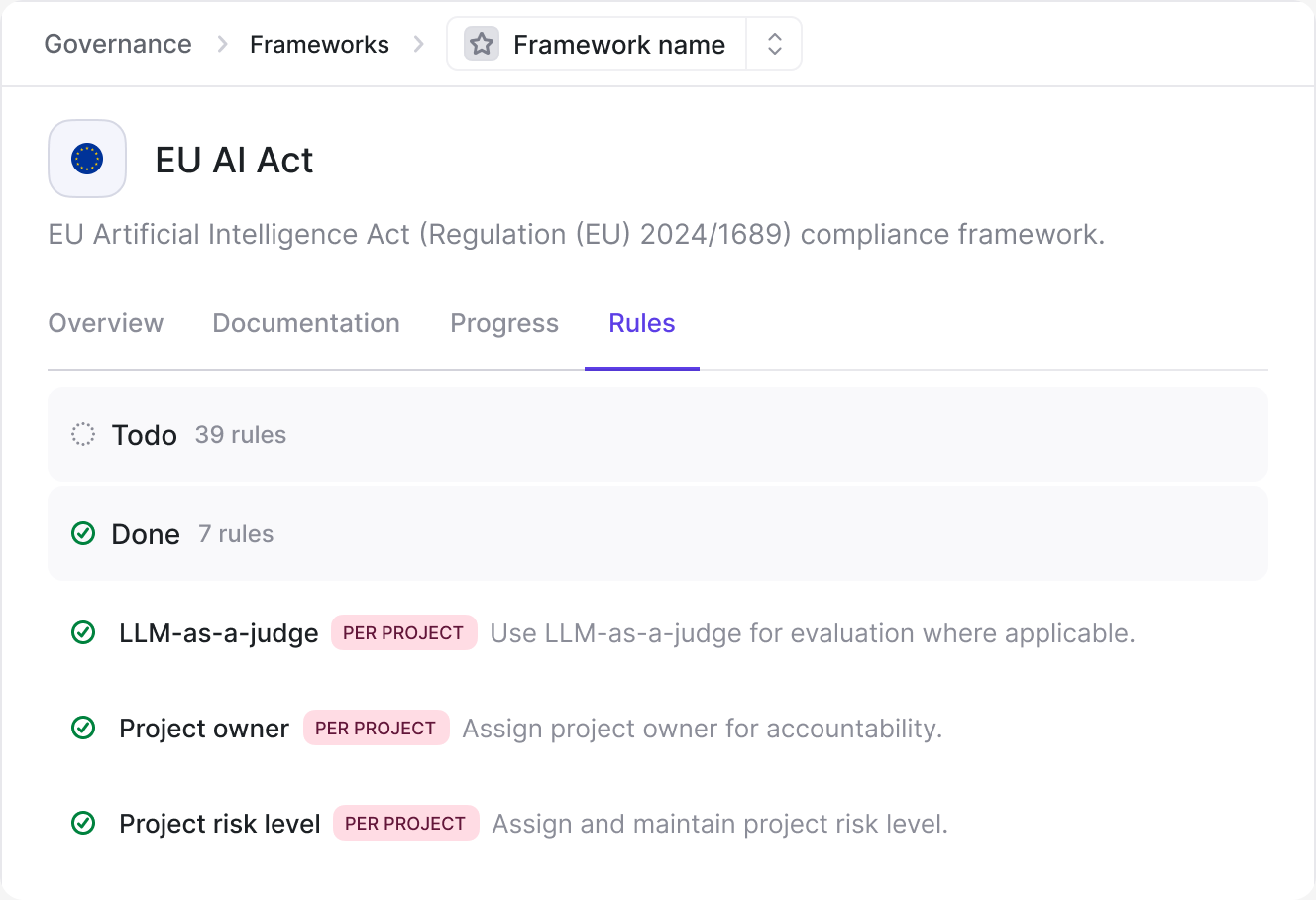
Turn requirementsinto controls
Map EU AI Act, ISO 42001, NIST AI RMF, and OSFI E-23 requirements to tests, approvals, owners, and evidence. Reuse the same control across overlapping requirements.

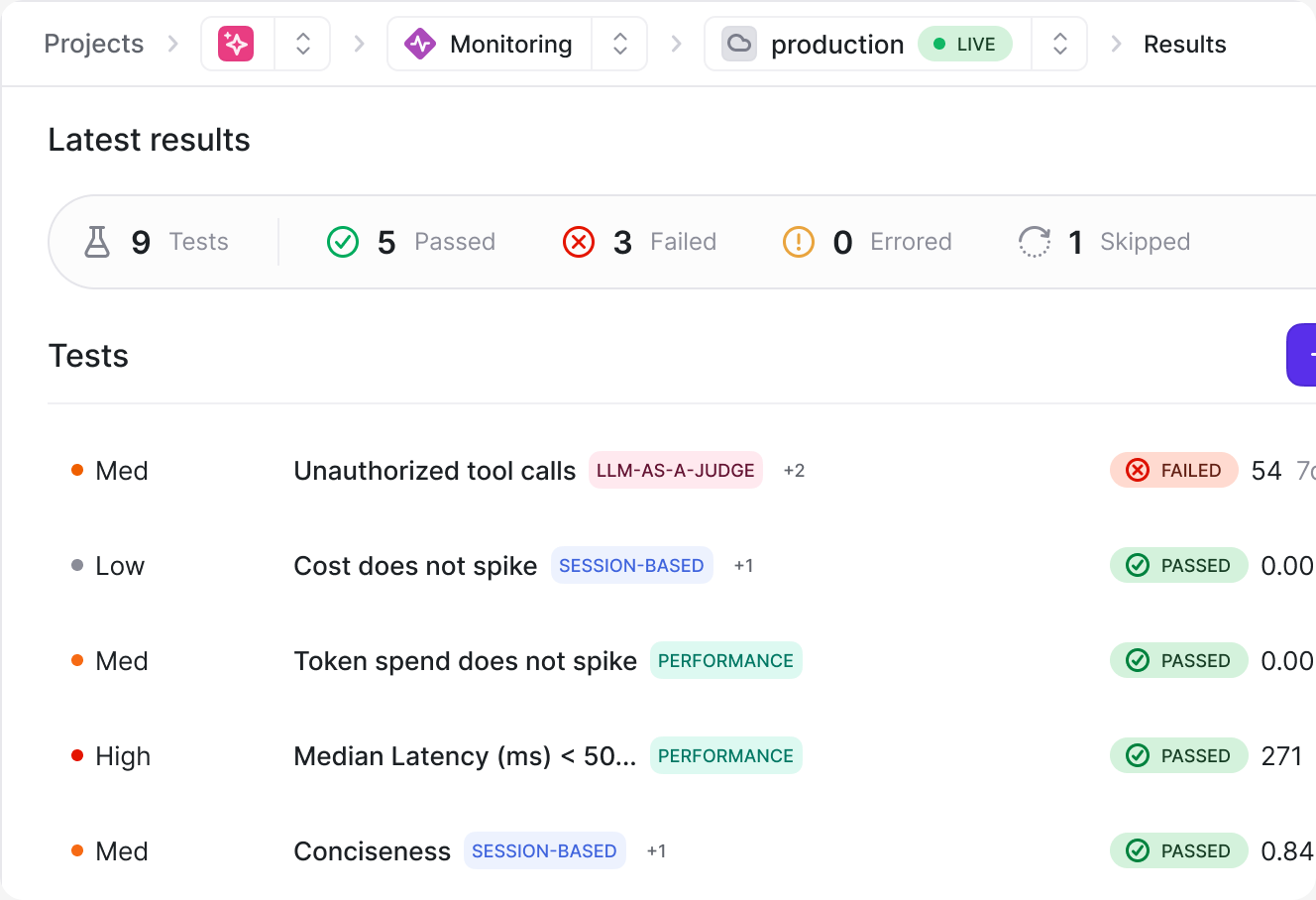
Enforce policyin production
Apply tests and guardrails to live AI interactions. Detect, block, redact, or escalate prompt injection, sensitive-data exposure, harmful outputs, and other policy violations while recording every enforcement action.

Keep evidencecurrent
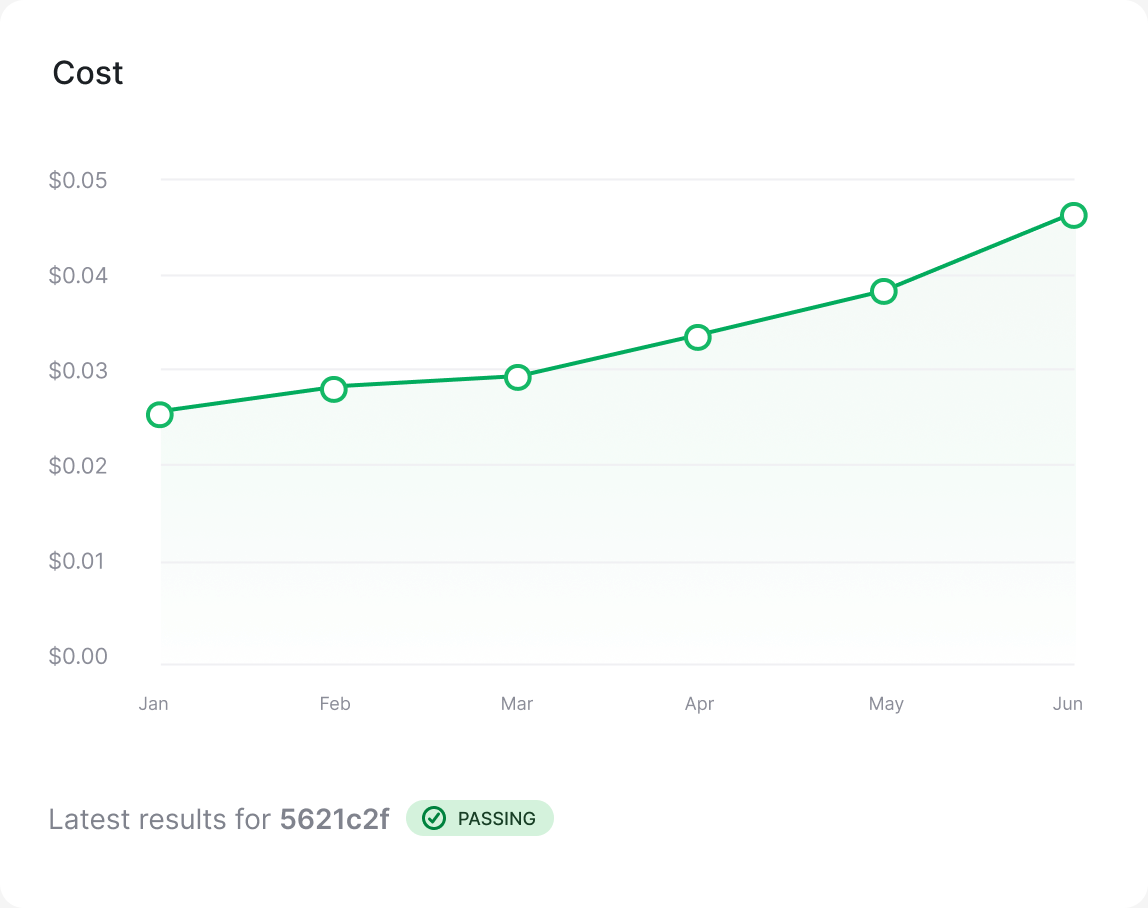
Keep test results, approvals, exceptions, monitoring history, and control status connected to each system.
Produce current evidence without reconstructing the record when an audit or review begins.
Oversight you can measure.
100%
of connected AI systems inventoried, assigned an owner, and classified by risk
100%
of routed AI traffic evaluated against runtime policy
<3hrs
to produce audit-ready evidence, down from more than three weeks
100%
of system reviews triggered automatically by material changes
“With Openlayer, we can see which AI systems are in use, what controls apply, and whether the evidence is current. We had no way of doing this before.”
CISO, Healthcare
Trusted by regulated leaders: Sun Life and Gallagher (insurance); Rogers, KPN, and Comcast (telecom and media).

Named in the 2026 Gartner Market Guide for AI Evaluation and Observability Platforms.

Backed by Y Combinator and Race Capital. SOC 2 Type II.
Founded by ex-Apple/Siri ML engineers.
Endorsed by Guillermo Rauch (Vercel CEO) and Max Mullen (Instacart founder).
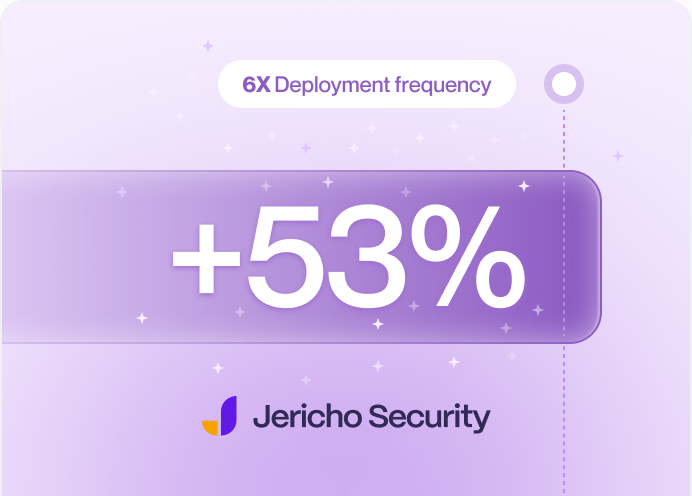
Jericho Security: 6x deployment frequency and +53% throughput after standardizing on Openlayer.
Openlayer gives security and compliance teams centralized oversight of every AI system, with testing, approvals, monitoring history, and governance evidence captured continuously for audit readiness.
Because test results, approvals, and monitoring history are tracked continuously, teams can pull a current, defensible record instead of reconstructing one by hand before each audit.
Openlayer maps controls to frameworks including the EU AI Act, ISO/IEC 42001, the NIST AI Risk Management Framework, and OSFI E-23, so a control mapped once can be reused across audits and regulators.
Runtime guardrails detect and can block behavior such as prompt injection, sensitive data exposure, and harmful outputs in real time.
Openlayer includes guardrails built to catch PII and PHI exposure in prompts, retrieval context, and model outputs before that data reaches a user or gets logged insecurely.
The AI inventory tracks every system in use enterprise wide, including who owns it, what it is used for, and how it is risk classified.
Openlayer is built to complement existing GRC tools such as Archer, ServiceNow, or AuditBoard, which document policy, by adding the enforcement and evidence layer those tools were not built to provide.
Openlayer automates evidence collection so audit-ready documentation is generated continuously as systems run, rather than compiled by hand before a review.
Recent research from IBM found that most organizations lack formal policies to govern AI and shadow AI, and that most organizations with an AI-related breach lacked proper AI access controls at the time, which is exactly the gap runtime governance is meant to close.
They get unified governance and compliance evidence generation in one platform, replacing the multi-week, multi-tool process AI audits have historically required.

Every AI system. Under Control.
Enforce policy, protect sensitive data, and keep audit-ready evidence connected to every system and version.