
See what everyAI system costs,and whether it delivers value.
Track AI spend by project, team, model, and user. Set hard limits, catch cost anomalies, and connect every dollar to performance and business value.
See cost controls in action

 163.3%
 5%
5%

 33%
33%


AI spend becomes harder to control as it scales.
A prototype may make a few model calls. A production application can make thousands across users, agents, tools, and workflows. Costs grow across providers and business units, while finance has no consistent way to attribute spend or understand what is driving it.
By the time usage appears on a provider invoice, the money has already been spent. Without budgets and controls at the system level, teams can identify overruns but cannot prevent them.
EU AI Act
ISO/IEC 42001
NIST AI RMF
OSFI E-23
3 to 1
evaluation, observability, and governance tools consolidated into a single contract
2 weeks
to see a reduction in token spend after budget caps and alerts go live
100%
of AI spend tracked at the project level
AI spend is growing without clear accountability.
Provider dashboards show aggregate token usage, but they do not connect spend to the project, team, owner, performance, or business outcome responsible for it. Finance can see the invoice without knowing what created it, whether the system is performing, or which investments warrant more budget.
No line of sight into AI spend.
Usage accumulates across providers, projects, teams, and business units without consistent ownership or allocation. Finance sees the total only after the spend has occurred.
Spend is disconnected from performance.
Provider dashboards show token usage and model costs, but not whether that spend produced accurate results, completed more tasks, or improved the customer experience.
Underperforming projects keep consuming budget.
AI systems can continue accumulating costs even when adoption, quality, or business performance no longer justifies the spend.
Cap and control costs in the same place where AI runs.
Openlayer connects cost to the same requests, traces, evaluations, and AI systems it already monitors. Teams can see what is driving spend, set budgets at the project or model level, and respond before overruns appear on the next provider invoice.
Finance gets real-time allocation and portfolio visibility. Engineering gets cost controls that operate alongside quality and performance requirements.
Everything you need to control AI spend
Token and cost tracking
Track tokens, requests, and costs across every connected model provider, with minimum, median, maximum, and per-model breakdowns.
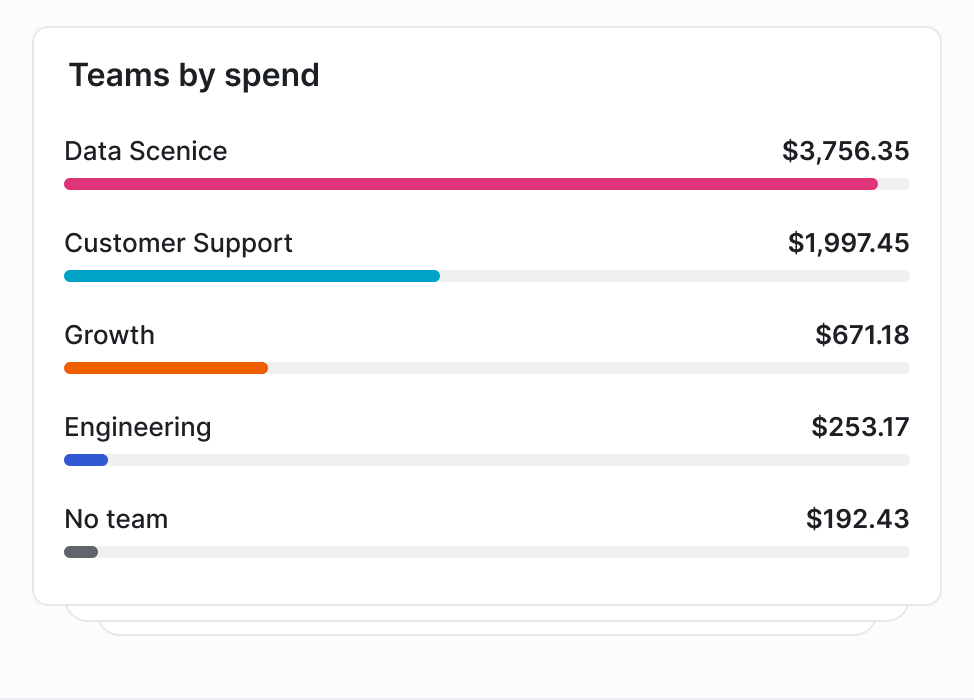
Cost by project, team, and org
Allocate spend to the projects, teams, owners, and business units responsible for it, giving finance a complete portfolio-level view.
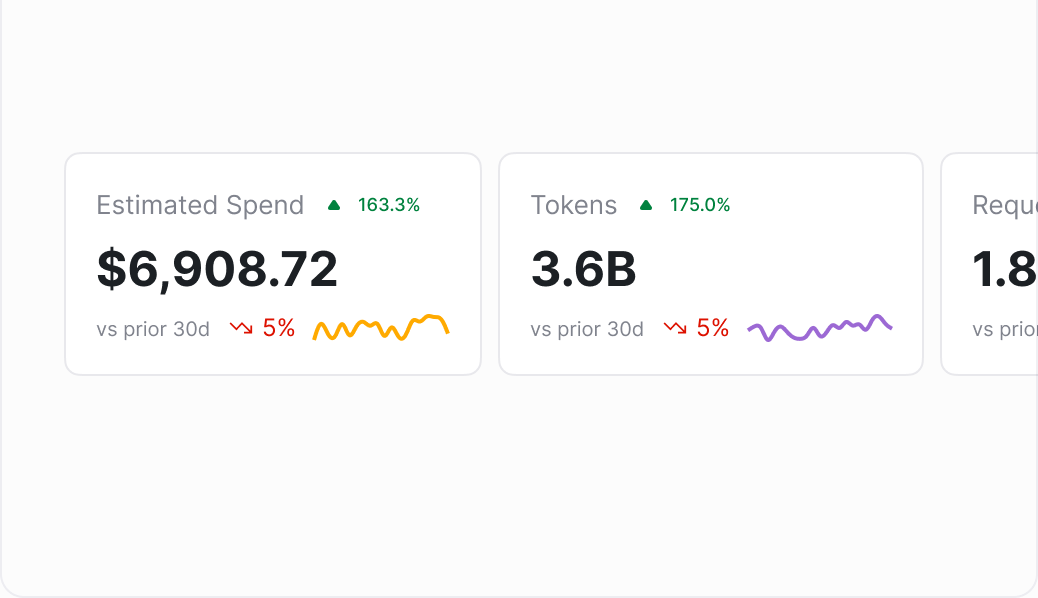
Finance dashboards
Give finance role-specific visibility into AI spend, trends, budgets, forecasts, and performance without requiring access to engineering tools.
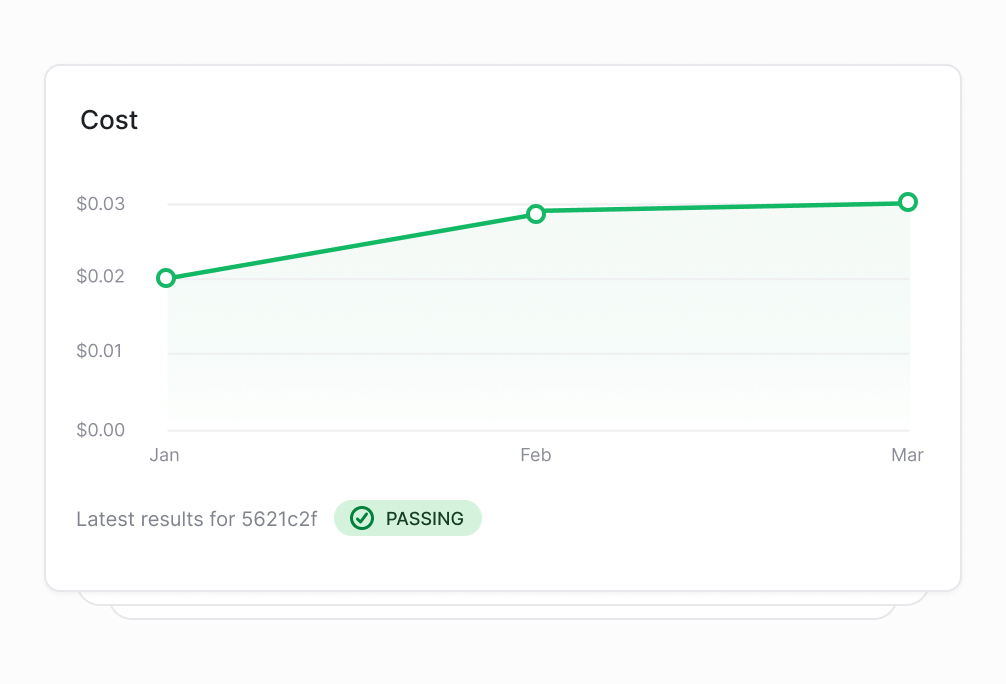
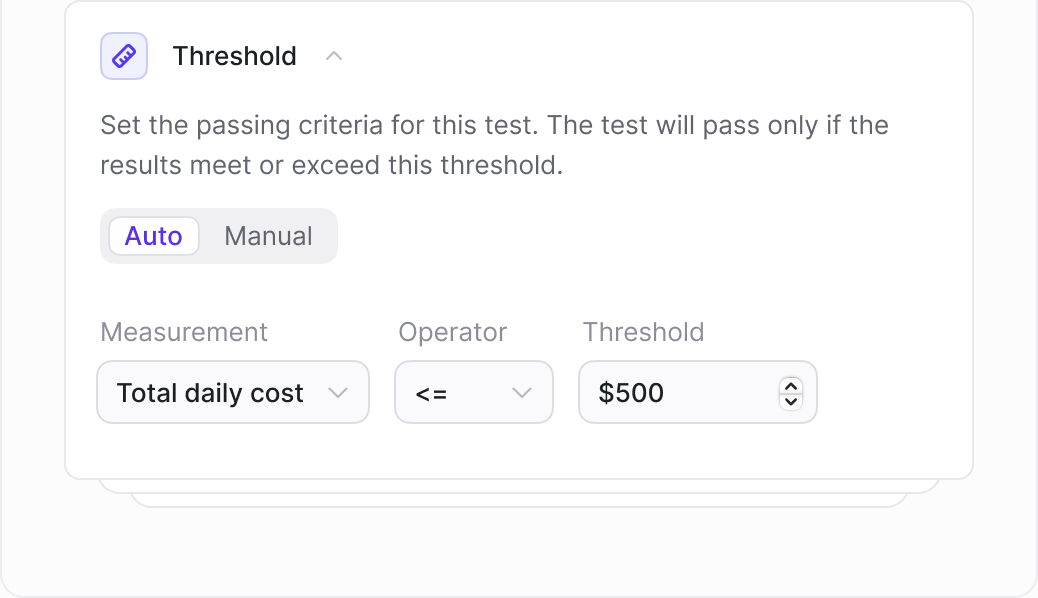
Performance and cost thresholds
Set acceptable thresholds for cost, latency, quality, and task performance. Identify systems where higher spend is not producing better results.
“For the first time, we can see which AI systems are driving spend, who owns them, and whether the cost is justified.”
CFO - Telecom
Trusted by regulated leaders: Sun Life and Gallagher (insurance); Rogers, KPN, and Comcast (telecom and media).
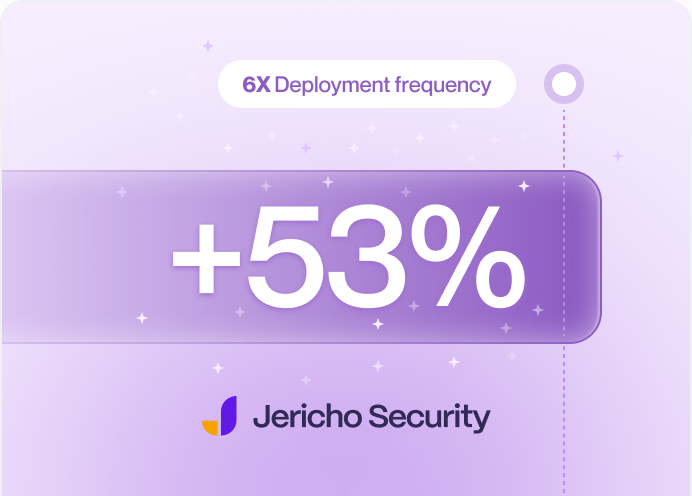
Jericho Security: 6x deployment frequency and +53% throughput after standardizing on Openlayer.

Backed by Y Combinator and Race Capital. SOC 2 Type II.
Founded by ex-Apple/Siri ML engineers.
Named in the 2026 Gartner Market Guide for AI Evaluation and Observability Platforms.

Endorsed by Guillermo Rauch (Vercel CEO) and Max Mullen (Instacart founder).
Cost Controls tracks, allocates, and manages AI spending across projects, teams, and models, and connects that spending to the performance it produces.
Cost Controls tracks tokens, requests, and dollar spend across multiple model providers, with breakdowns down to the individual project or system.
Teams can set spend thresholds, receive alerts as usage approaches those limits, and get flagged when spending patterns change unexpectedly.
Cost Controls attributes spending to specific projects, teams, owners, and business units, giving a portfolio level view of where AI budget is going.
Cost Controls connects spending data to quality metrics, latency, and task performance side by side, so a team can see whether an expensive model is earning its cost.
Cost Controls includes role-based dashboards designed for finance, with budget, forecast, and trend views that do not require digging through engineering tooling.
Cost Controls lives on the same platform as testing, observability, and governance, so teams get cost visibility alongside quality and compliance data rather than operating another disconnected system for spend alone.
Cost data can be broken down to the level of an individual project, model, provider, or API key, not just an aggregate monthly total.
Cost Controls tracks usage and spend at the token and request level so totals stay consistent with provider billing, letting finance reconcile Openlayer's view against the invoice.
Both teams see the same underlying spend and performance numbers, through views built for their role, so budget conversations do not turn into a debate about whose number is right.