

Keep AI spend
visible and
accountable.
Openlayer tracks model and token costs by system, project, team, and provider, giving Finance a clear view of the performance behind every AI investment.
See AI controls in action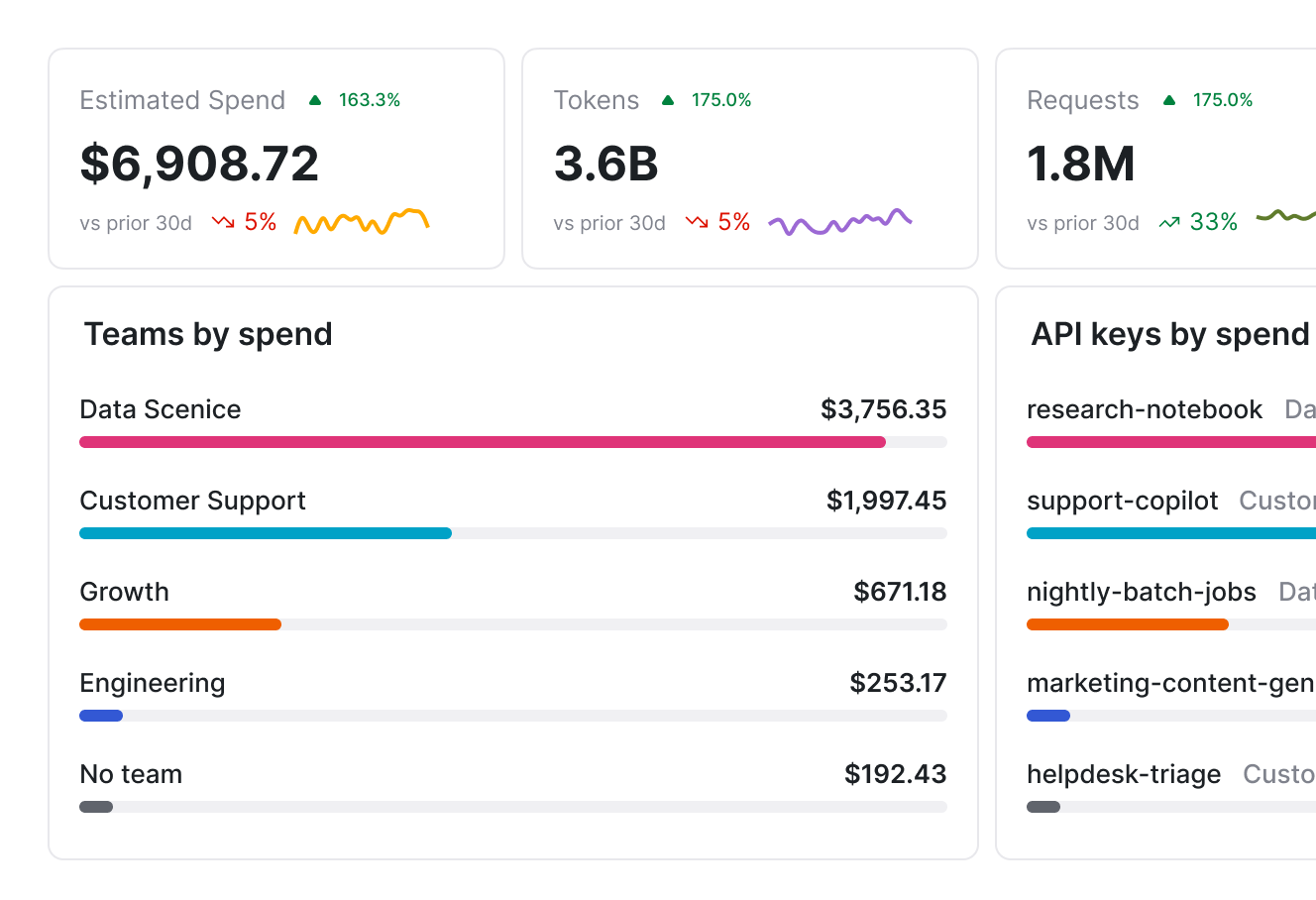


3.2x
growth in enterprise generative AI spending from 2024 to 2025
Source: Menlo Ventures’ 2025 enterprise AI research
81%
of finance leaders are changing AI spend or plan to within 12 months
Source: DoiT 2026 survey of 500 finance leaders
<15%
can calculate AI ROI without significant bottlenecks
Source: DoiT 2026 survey of 500 finance leaders
See spend at every level.
Set control at every level.


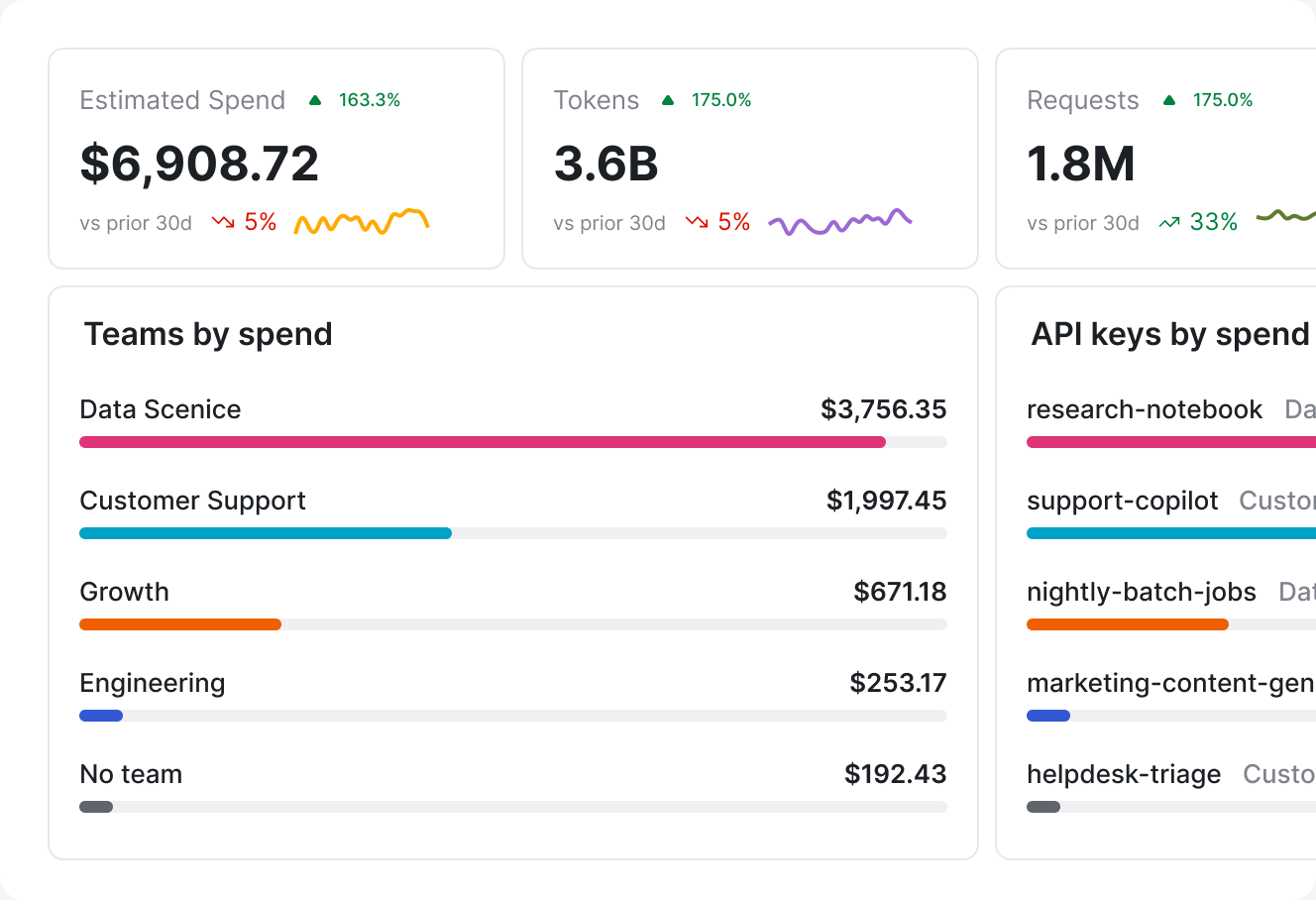
Attributeevery cost
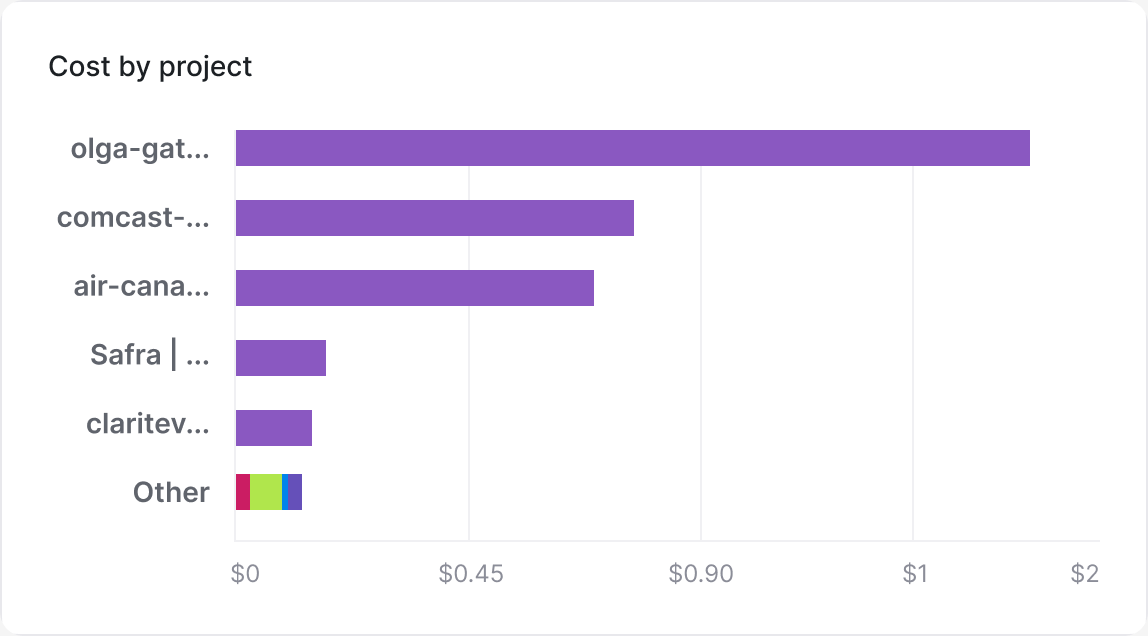
Track model and token spend by system, project, team, and provider.
Separate production usage from experiments so Finance can see what is driving each bill.

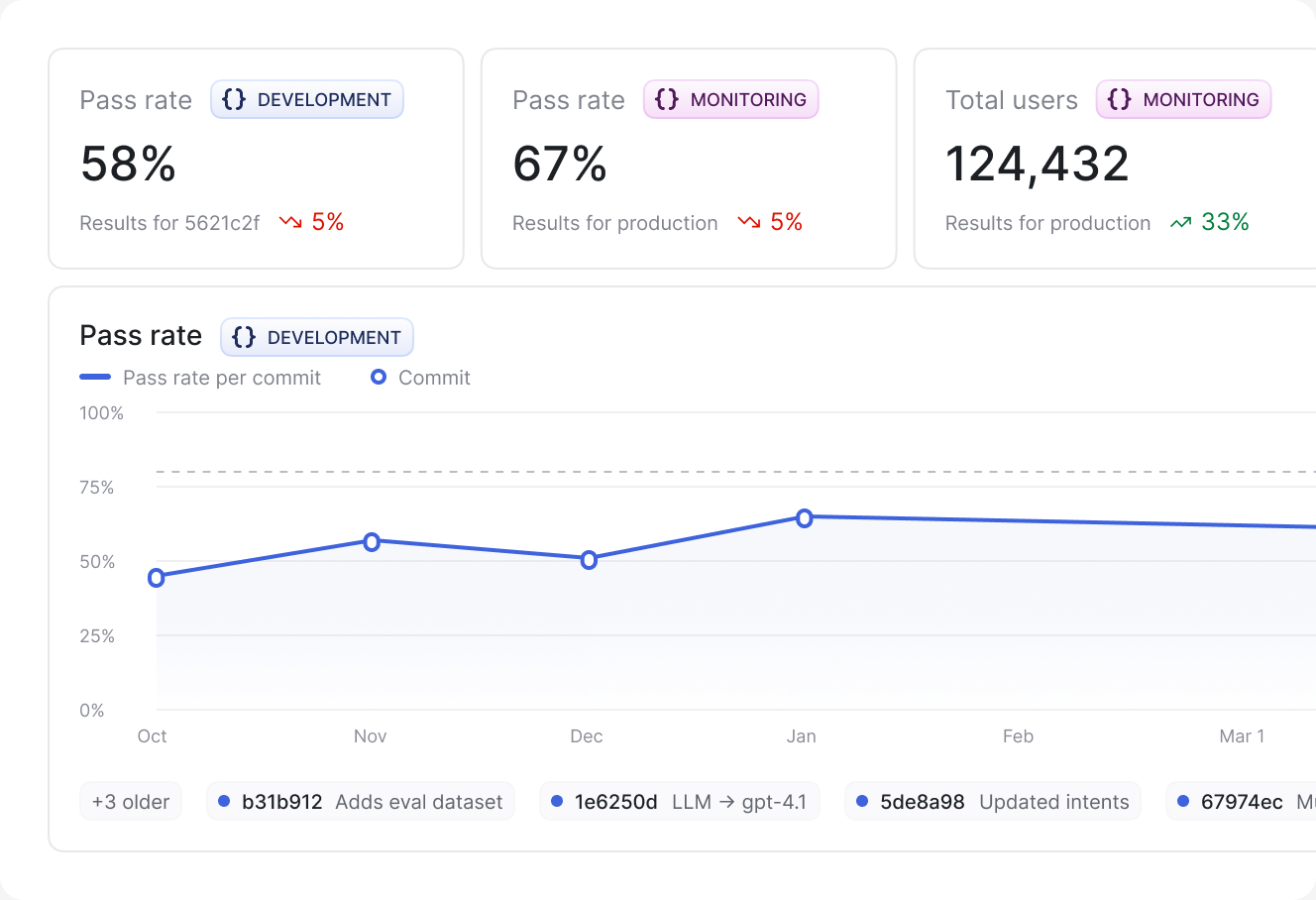
Compare cost withperformance
View quality, latency, usage, and cost together.
See whether a different model or routing decision can lower spend without reducing performance.

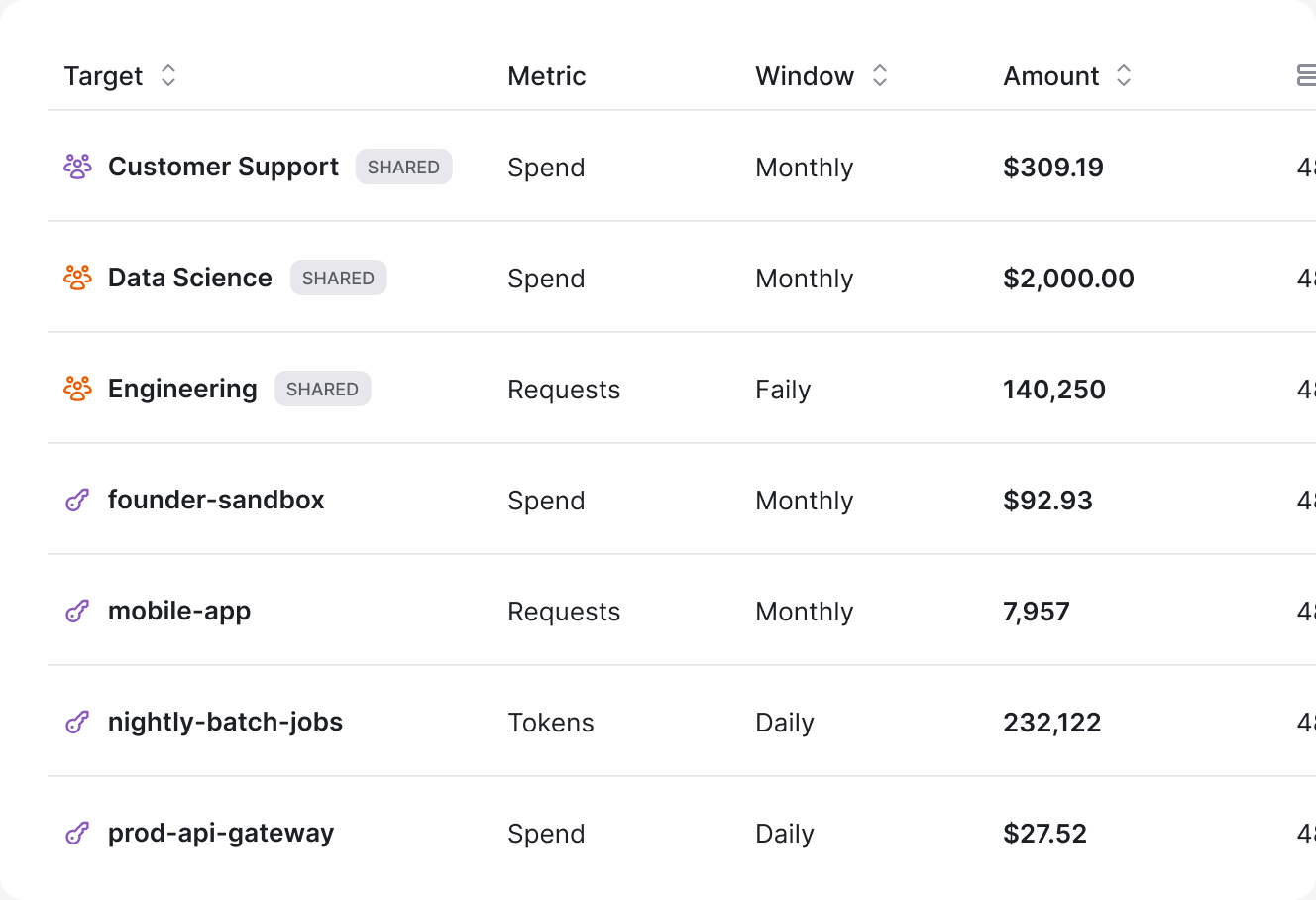
Control spend asusage changes
Set budgets, hard limits, and alerts by system, project, or team.
Catch unexpected usage early and intervene before overruns appear on the next provider invoice.

Evaluate everyAI investment
See which systems are gaining adoption, meeting performance targets, and staying within budget.
Flag projects where increasing spend is not producing better quality or usage.
Every AI dollar made visible.
100%
of connected AI systems inventoried, assigned an owner, and classified by risk
40%
reduction in model/token costs
2 weeks
of AI spend attributed to a system, project, and team
3 to 1
evaluation, observability, and governance tools consolidated into one platform
“We now get to catch unexpected costs earlier, compare projects on the same terms, and make better decisions about where to invest.”
CFO, Telecom
Trusted by regulated leaders: Sun Life and Gallagher (insurance); Rogers, KPN, and Comcast (telecom and media).

Named in the 2026 Gartner Market Guide for AI Evaluation and Observability Platforms.

Backed by Y Combinator and Race Capital. SOC 2 Type II.
Founded by ex-Apple/Siri ML engineers.
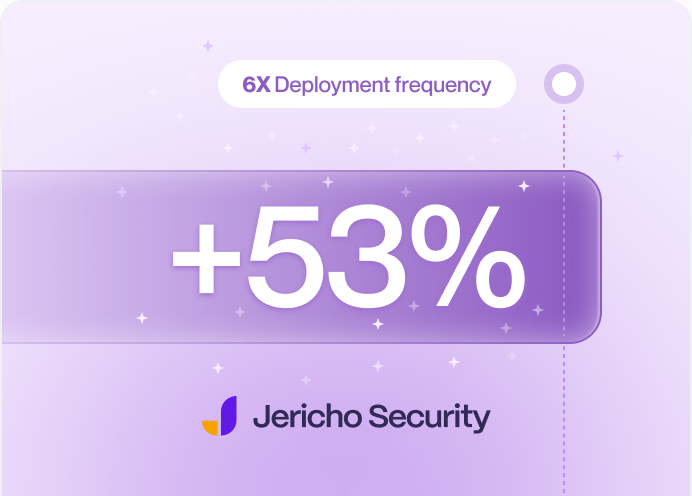
Jericho Security: 6x deployment frequency and +53% throughput after standardizing on Openlayer.

Endorsed by Guillermo Rauch (Vercel CEO) and Max Mullen (Instacart founder).
Openlayer gives finance teams direct visibility into AI costs and utilization, down to the individual project, model, and team, instead of a single unexplained line item on a cloud or vendor invoice.
Customers report reducing model and token costs after gaining visibility into spend and setting budget controls, since a meaningful share of AI spend is invisible until it is tracked.
Cost data is broken down by project, team, owner, and business unit, making it straightforward to identify which workloads are driving the bulk of AI spend.
By connecting cost data to quality, latency, and task performance side by side, finance and AI teams can see together whether an expensive model is earning its cost.
Role-based dashboards give finance leaders budget, forecast, and trend views built for their needs, without requiring them to dig through raw engineering data.
Finance teams can see utilization and spend data directly through their own dashboards, without needing an engineer to pull a report each time a question comes up.
Finance and engineering see the same underlying cost and performance data, through views tailored to each team, which keeps both sides working from one number instead of reconciling two.
Cost Controls is built to track spend across an unlimited number of projects and providers as usage grows, which matters as enterprise AI spending continues to climb quickly.
AI spending is growing quickly across most enterprises, and many finance leaders report difficulty calculating AI return on investment without significant manual effort.
They get governance and cost controls in one platform, so spend visibility does not require a separate tool from the one already tracking quality, risk, and compliance.

Measure every AI investment.
See what every AI system costs, where budgets are being spent, and which investments are producing value.