

Build AI quality
into every release.
Test every change, catch regressions before release, trace failures in production, and improve the next version without stitching together more tools.
See how it works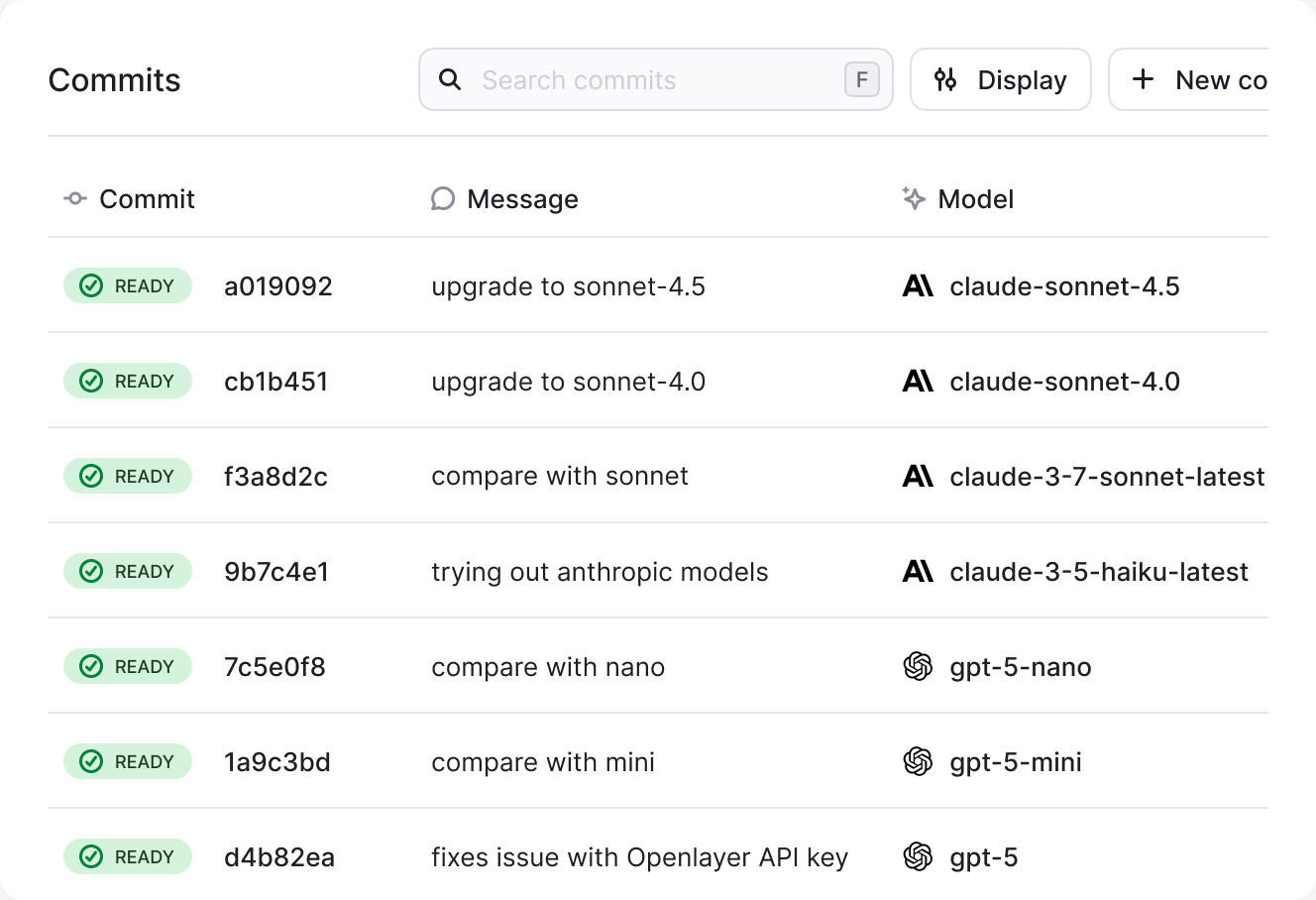


87%
of developers are concerned about the accuracy of AI agents
Source: 2025 Stack Overflow Developer Survey
47%
of organizations using AI have experienced negative consequences
Source: McKinsey’s 2025 State of AI Global Survey
74%
of production AI agents still rely primarily on human evaluation
Source: Pan et al., Measuring Agents in Production, 2025
One engineering workflow across
development and production.


Connect to the stackyou already use
Send data through Openlayer SDKs, framework integrations, the Gateway, CLI, or REST API.
Add Openlayer to your existing development and production workflows without rebuilding them.

Test every changebefore release
Evaluate changes to models, prompts, data, and agent behavior against defined thresholds.
Compare versions and use test results as a release gate before production.

Trace every stepin production
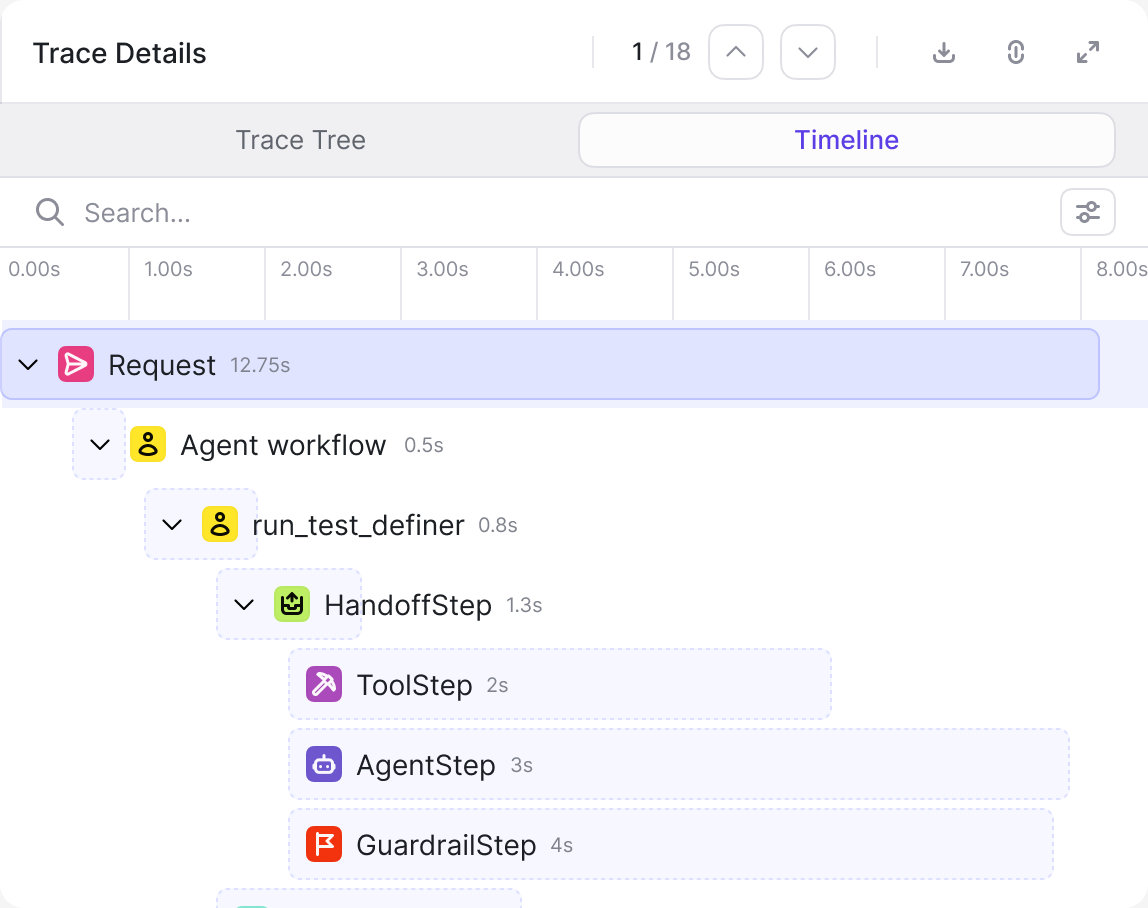
See prompts, retrieval, model calls, tool calls, outputs, latency, token usage, and cost across a session.
Find where a failure started without piecing together separate logs.

Improve withproduction feedback
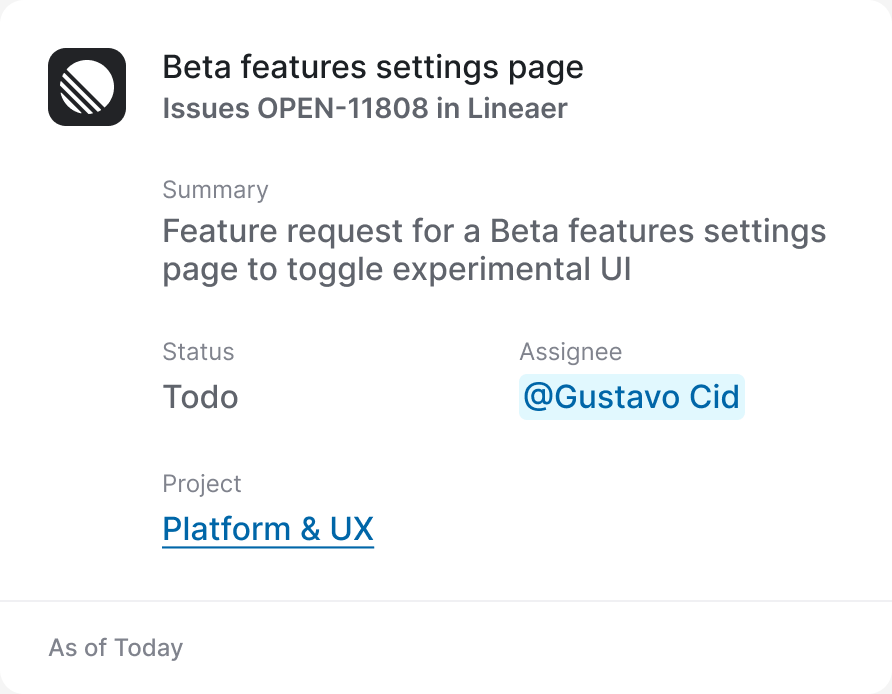
Keep tests running against live traffic, receive alerts when quality drops, and turn failed production sessions into regression tests for the next release.
Quality you can ship.
6x
increase in deployment frequency
+53%
increase in engineering throughput
100%
regressions caught before production
67%
reduction in time to resolve AI failures
“Without Openlayer, we'd be blind to how our LLM outputs behave at scale. It's saved us months of engineering time and given us a repeatable way to keep phishing simulations reliable and realistic.”
Daniel Chyan, CTO, Jericho Security
Trusted by regulated leaders: Sun Life and Gallagher (insurance); Rogers, KPN, and Comcast (telecom and media).

Named in the 2026 Gartner Market Guide for AI Evaluation and Observability Platforms.

Backed by Y Combinator and Race Capital. SOC 2 Type II.
Founded by ex-Apple/Siri ML engineers.
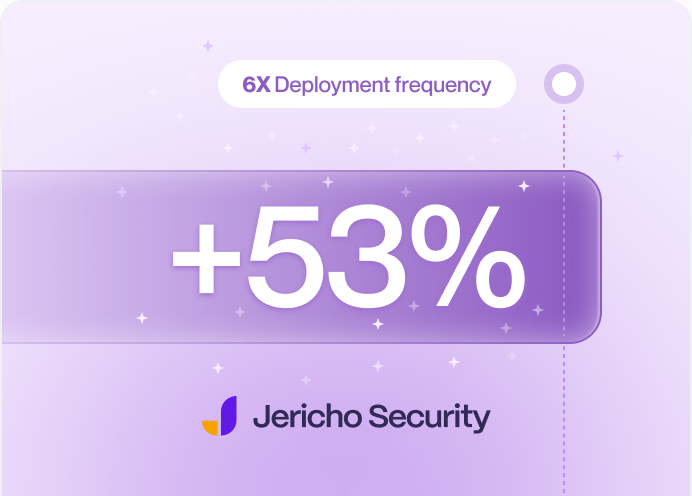
Jericho Security: 6x deployment frequency and +53% throughput after standardizing on Openlayer.
Endorsed by Guillermo Rauch (Vercel CEO) and Max Mullen (Instacart founder).
Openlayer helps engineers test AI model and prompt changes before release, catch regressions automatically, trace production failures back to a root cause, and feed what they learn back into the test suite.
Openlayer connects through SDKs, framework integrations, a gateway, a CLI, and a REST API, so most teams adopt it inside their current stack.
Beyond the pre-built test library, engineers can define custom evaluations specific to their own product and use case.
Openlayer integrates natively with Git and with CI/CD tools including GitHub Actions, Jenkins, and CircleCI, so tests can block a risky deployment the way a failing unit test would.
Production tracing captures prompts, model calls, retrieval steps, latency, tokens, and cost across full user sessions, giving engineers the detail they need to debug an AI failure.
Openlayer evaluates and monitors agents and retrieval augmented generation pipelines with metrics built for those architectures, such as tool usage and retrieval groundedness.
Customers report spending meaningfully less time investigating AI failures, largely because full traces and automatic regression tests replace manual log-diving.
Openlayer sits alongside existing MLOps and infrastructure investments, adding the testing, observability, and governance layer rather than replacing model serving, training, or deployment tooling.
Openlayer supports unlimited projects and inference volume on its Enterprise plan and is used by engineering organizations running many AI systems across multiple teams.
They get end-to-end AI quality and governance in one platform, which means fewer one-off tools and a single source of truth when something in production breaks.